This article will help us distinguish: DTG VS DTF.
- What They Are – Core Process
DTG (Direct-to-Garment)
Prints water-based ink directly into the fabric fibers.
- Process: Fabric pre-treatment → Print directly on garment → Heat cure
- Ink sinks into the cloth, not just sitting on top
DTFT (Direct-to-Film / DTF)
Prints onto a PET film first, then heat-transfers to fabric.
- Process: Print on special film → Add adhesive powder → Cure → Heat press onto clothes
- Design sits on the fabric surface with a thin adhesive layer
If you want to more information about DTG vs DTF, Please continue reading
- Fabric Compatibility – Critical for Golf Wear
DTG
- Best for 100% cotton or high-cotton blends
- Poor results on polyester, spandex, or performance fabrics (common in golf apparel)
- Colors fade or look dull on synthetic materials
DTFT
- Works on almost all fabrics: cotton, polyester, nylon, spandex, blends, and performance golf fabrics
- Ideal for moisture-wicking, stretchy golf polos and jackets
- No fabric limitation—perfect for modern golf activewear
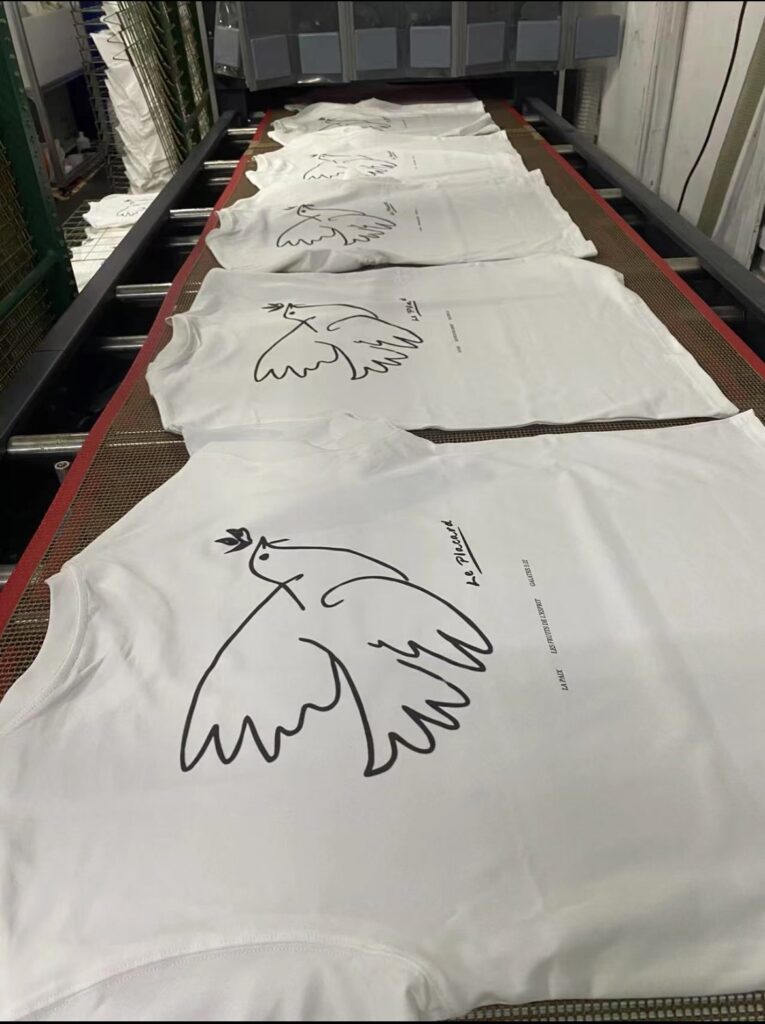
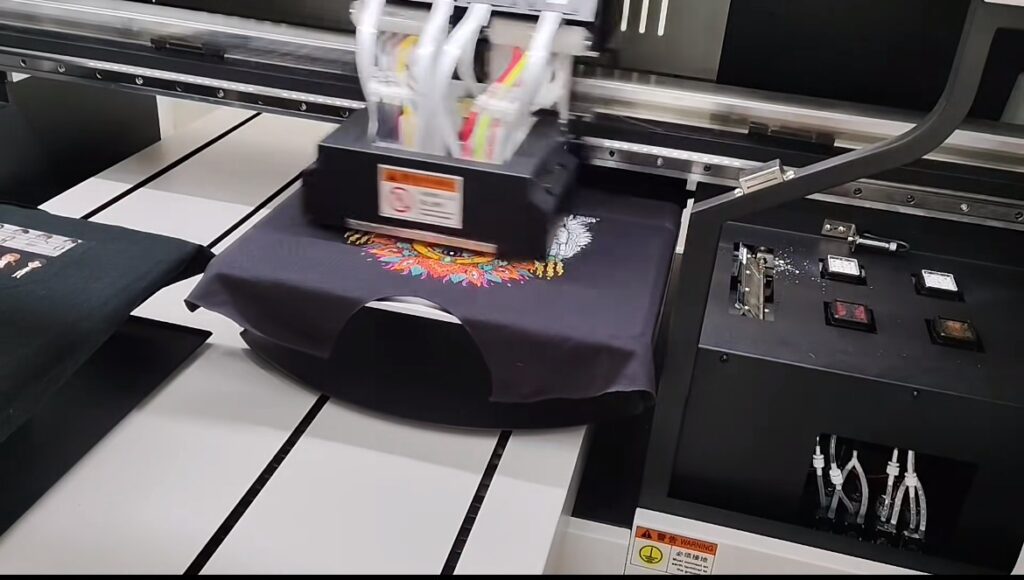
The images above are DTG prints.
- Feel & Breathability – Golf Comfort Matters
DTG
- Ultra-soft, lightweight, and breathable
- Prints feel like “part of the fabric” — no stiff or plastic touch
- Great for hot rounds: sweat wicks normally, no heavy layer
DTFT
- Slightly firm, smooth surface (minor “film feel” on large prints)
- Less breathable than DTG, but modern formulas are much softer now
- Still comfortable for golf—better than screen printing or vinyl
- Color & Detail – Logos, Crests & Gradients
DTG
- Highest resolution (1200+ dpi)
- Perfect for photorealistic images, fine gradients, tiny text, and complex golf logos
- Colors blend naturally into fabric (slightly muted but premium)
DTFT
- Vibrant, bold colors with high saturation
- Great for sharp logos, club crests, and team graphics
- Gradients and fine details are good, slightly less sharp than DTG
- Durability & Wash Resistance – Long-Term Use
DTG
- Soft and flexible, no cracking
- Fades gently after 6–10 washes (normal wear)
- Not ideal for heavy-wear golf uniforms or frequent washing
DTFT
- Extremely durable: lasts 60+ washes with minimal fading
- Resists cracking, peeling, and scratching—perfect for golf course use
- Withstands high heat and repeated washing (club uniforms, tournament gear)
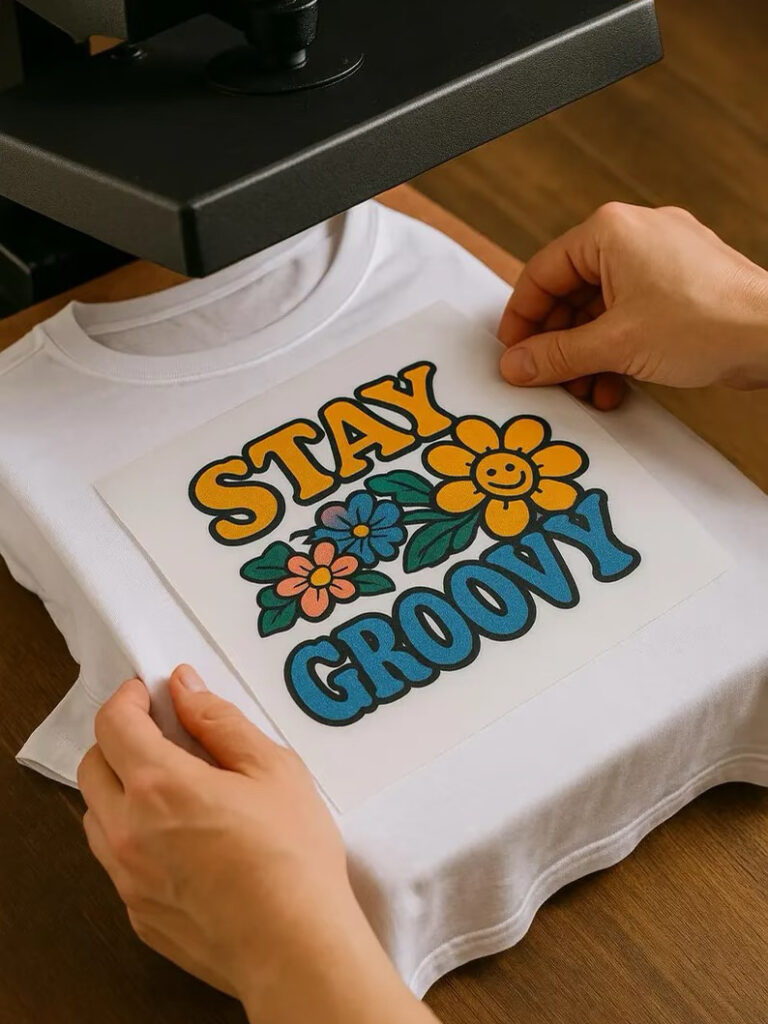
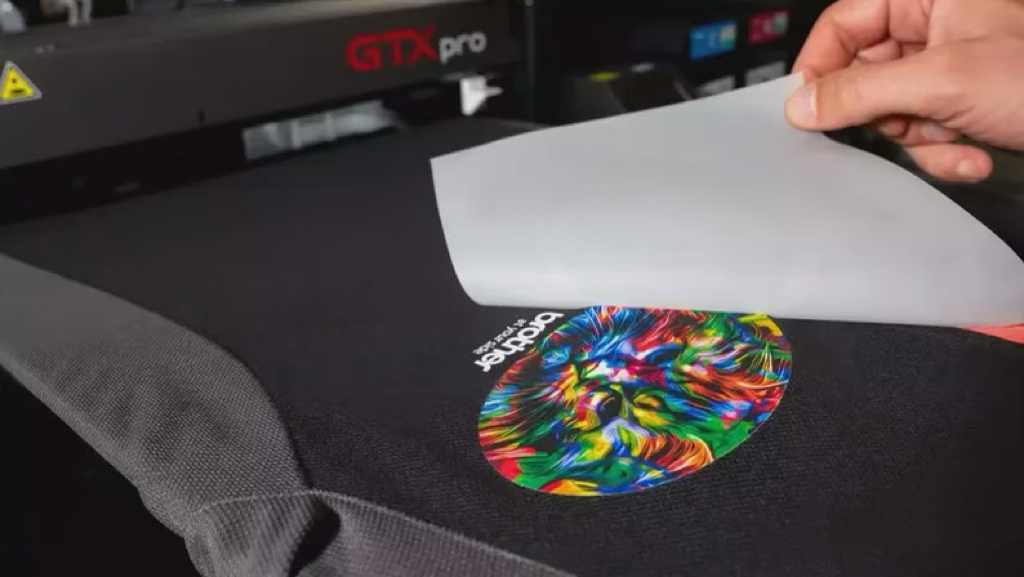
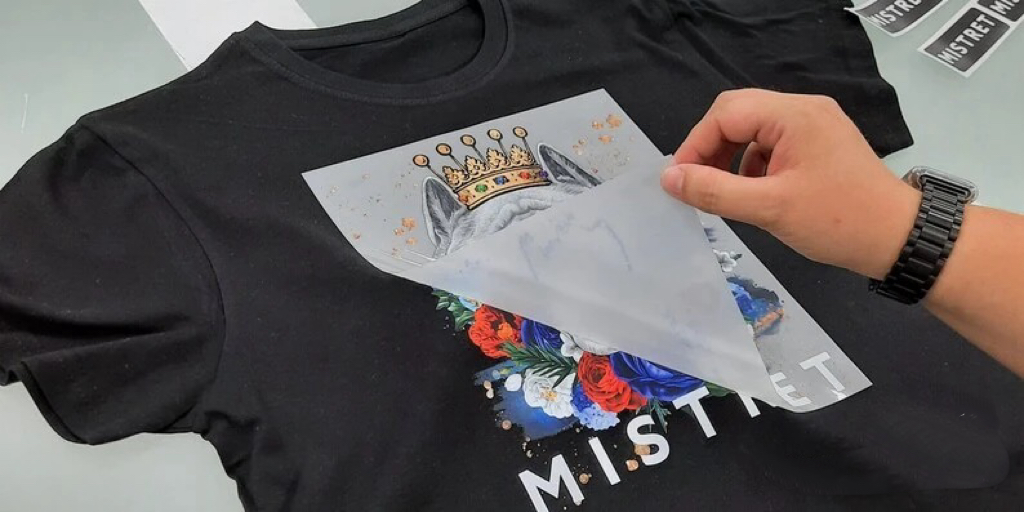
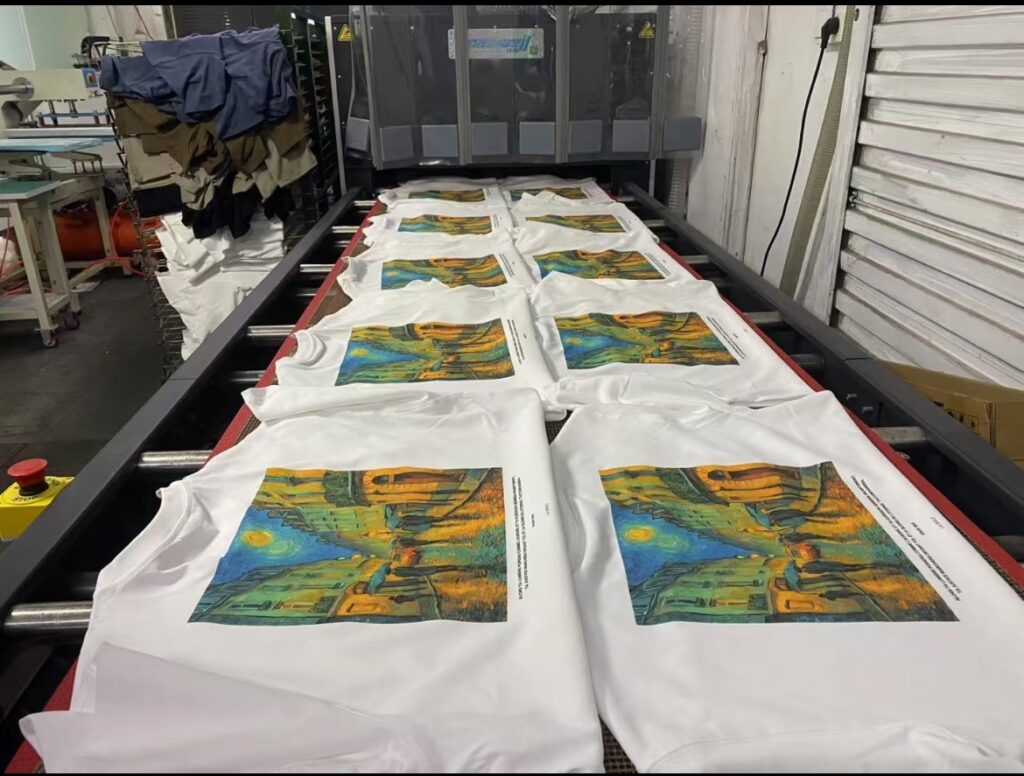
The images above are DTF prints.
- Order Size & Speed – Production Flexibility
DTG
- Best for small batches (1–50 pcs)
- Slow per piece (~1 min per shirt)
- High setup cost for large runs
DTFT
- Fast for small to large batches
- Medium batches (50–200 pcs): ~15 sec per piece
- 3–5× faster than DTG for bulk golf orders
- No minimum order—great for custom team sets
- Cost – Value for Golf Brands
DTG
- Higher per-unit cost (expensive white ink + pre-treatment)
- Best for premium, low-volume cotton golf shirts
DTFT
- Lower operational cost (ink, film, powder)
- More affordable for poly-blend performance golf apparel
- Economical for both small custom runs and bulk club orders
Final Verdict: Which to Choose for Golf Apparel?
Choose DTG if:
- Your golf line is 100% premium cotton
- You prioritize ultra-soft feel and breathability
- You need photorealistic prints or ultra-fine details
- Orders are small-batch, high-end custom pieces
Choose DTFT (DTF) if:
- You print on polyester, moisture-wicking, or stretch golf fabrics
- You want vibrant colors and long-lasting durability
- You need fast production for team orders or bulk uniforms
- You seek cost-effective pricing without sacrificing quality
For most modern golf apparel—especially performance polos, stretch jackets, and team uniforms—DTFT is the more practical, versatile, and cost-efficient choice.
Need Help Choosing?
We offer both DTG and DTFT printing for golf apparel. Contact us today to discuss your fabric, design, and order volume—we’ll recommend the best printing solution for your brand.